Benefits of Using Handmade Soaps Over Commercial Brands
As we move into 2026, the demand for natural and organic skincare products continues to grow. One notable trend is the increasing popularity of handmade soaps, which stand in stark contrast to mass-produced commercial brands. This shift is driven by consumers seeking healthier options that not only nourish their skin but also align with their values regarding sustainability and cruelty-free practices. In this article, we will explore the myriad benefits of using handmade soaps over commercial brands, underscoring why they are a superior choice for your skincare routine.
Natural Ingredients for Healthier Skin
One of the primary advantages of handmade soaps is their use of natural ingredients. Unlike commercial brands that often contain synthetic additives, preservatives, and harsh chemicals, handmade soaps are crafted with oils, butters, and botanicals that are gentle on the skin. For instance, in 2026, many artisans are incorporating ingredients like shea butter, coconut oil, and essential oils into their formulations. This not only moisturizes the skin but also provides therapeutic benefits that commercial products simply cannot match.
Many commercial soaps contain sulfates and parabens that can strip the skin of its natural oils, leading to dryness and irritation. In contrast, handmade soaps retain the glycerin produced during the saponification process, which helps to keep the skin hydrated. For 2026, individuals with sensitive skin or conditions such as eczema are increasingly opting for handmade options to avoid aggravating their condition.
Real World Example: A Case for Sensitive Skin
Consider Jane, a thirty-five-year-old woman living in a bustling city who has struggled with sensitive skin for years. In her quest for a solution, she discovered a local soap maker who creates products specifically designed for sensitive skin types. After switching to handmade soap, Jane noticed a significant reduction in irritation and dryness, allowing her to enjoy healthier, more radiant skin. This scenario highlights how handmade soaps can be tailored to meet specific skin needs, something that commercial brands often overlook.
Sustainable and Eco-Friendly Choices
As environmental concerns take center stage in 2026, many consumers are prioritizing sustainability in their purchasing decisions. Handmade soaps are often produced in small batches using eco-friendly practices. Artisans frequently source their ingredients from local suppliers, reducing the carbon footprint associated with transportation. Additionally, handmade soaps are often packaged in recyclable materials, unlike many commercial brands that use plastic or non-biodegradable packaging.
People Also Look For:
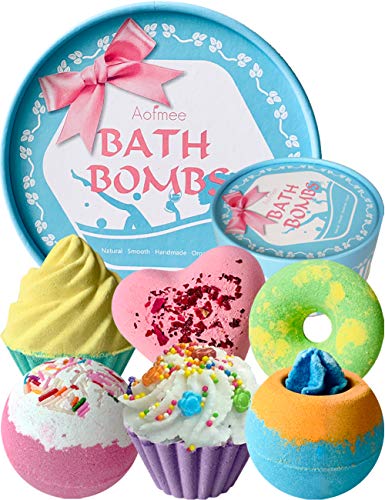
- Aofmee Bath Bombs Gift Set, Handmade Bubble and Floating Fizzies Spa Kit, Shea and Cocoa Dry Skin Moisturize, Birthday Valentines ...
- Luxury Scented Candle Gift Set for Women Natural Soy Wax Aromatherapy Candles in Elegant Wooden Gift Box for Relaxing, Self Care &...
- Birthday Pamper Gifts for Women, Unique Self Care Package Relaxation Spa Bath Set for Her, Wellbeing Get Well Soon Gifts for Women...
- Seedball Happy Christmas Wildflower Seed Bombs, Pack of 3, 6 Balls Each
- Nurture by Nature Vegan Hand Cream Gift Set - 5 x 30ml, Shea Butter
By choosing handmade soaps, consumers are not only making a choice that benefits their skin but also supporting small businesses and promoting environmental responsibility. This trend reflects a broader societal shift towards conscious consumerism, where individuals are more informed and deliberate about the products they choose.
Supporting Local Artisans
In 2026, the movement towards supporting local artisans has gained momentum. When you purchase handmade soap, you are directly contributing to the livelihood of small business owners who pour their passion and creativity into their craft. Many artisans take pride in their work and offer unique products that reflect their personal style and values. This personal touch is often missing from commercial brands that prioritize mass production over quality.
Customizable Options for Unique Preferences
Another benefit of handmade soaps is the ability to customize your experience. Artisans often offer a variety of scents, colors, and formulations tailored to individual preferences. This means that consumers can find a product that not only meets their skin's needs but also aligns with their personal aesthetic. For example, in 2026, a growing number of consumers are seeking out specialty soaps infused with unique scents like lavender and tea tree oil, which offer specific aromatherapy benefits.
Moreover, many artisans are open to creating custom orders, allowing consumers to select specific ingredients or scents that resonate with them. This level of personalization is a key differentiator from commercial brands, which typically offer a limited selection.
Real World Example: Custom Soap for a Special Occasion
Imagine planning a wedding in 2026 and wanting to give your guests a memorable favor. A couple could approach a local soap maker and request custom soaps in their wedding colors, infused with a scent that holds special meaning for them. This not only provides a unique touch to the celebration but also ensures that guests receive a high-quality, memorable gift that reflects the couple's values.
Cost-Effective in the Long Run
While handmade soaps may initially seem more expensive than commercial brands, they can be more cost-effective in the long run. Handmade soaps are often more concentrated than their commercial counterparts, meaning that a little goes a long way. Consumers may find that they need to use less product, ultimately saving money over time. Additionally, the quality of ingredients used in handmade soaps can lead to fewer skin issues and less need for additional skincare products.
In 2026, as awareness of the hidden costs of commercial skincare products grows, more individuals are recognizing the value of investing in handmade alternatives that promote long-term skin health. For instance, those who previously relied on multiple commercial products for their skincare routine are switching to a single handmade soap that meets all their needs.
Benefits for All Skin Types
Handmade soaps offer a diverse range of options that cater to all skin types, from oily to dry and everything in between. In 2026, consumers can find soaps designed specifically for acne-prone skin, featuring ingredients like activated charcoal or tea tree oil, while those with dry skin may prefer soaps rich in nourishing oils. This diversity allows consumers to select a product that truly addresses their unique skin concerns.